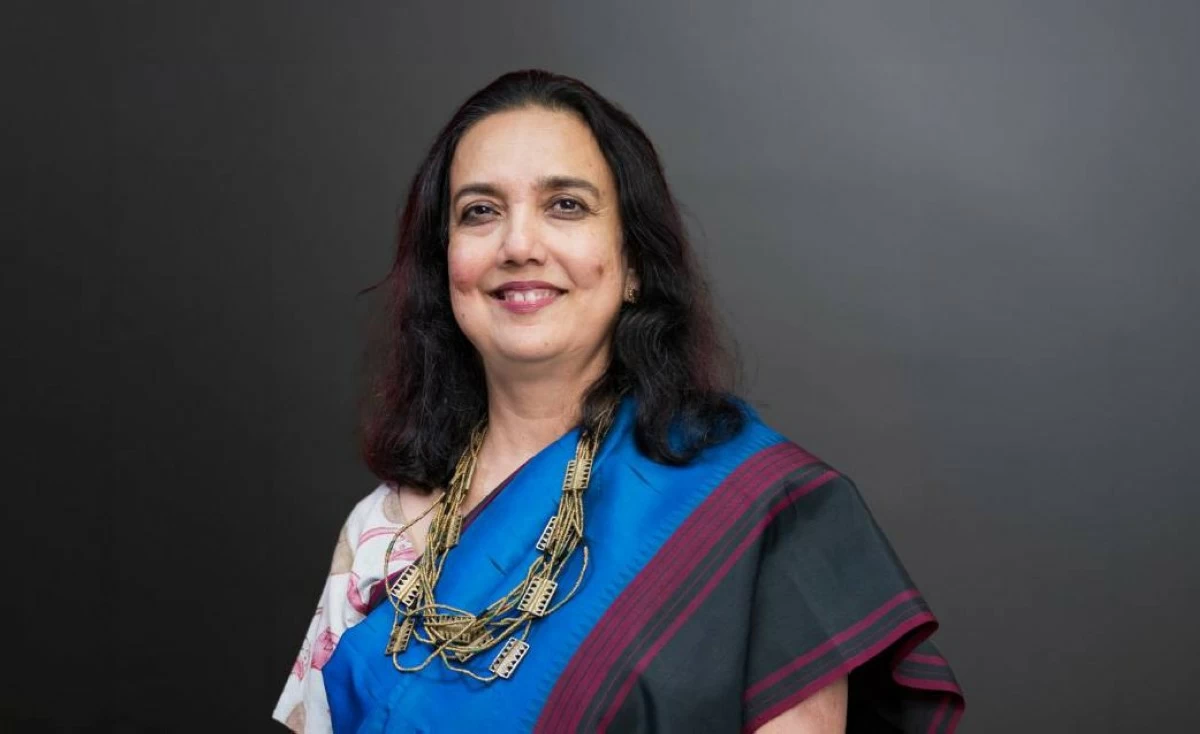
Ramadan's surge in charitable giving across the Gulf is drawing renewed attention to how donations can be directed toward longer-term social impact, with growing emphasis on education, livelihoods, and climate resilience alongside immediate humanitarian support. In responses to questions from Emirates 24|7, Naina Subberwal Batra, Chief Executive Officer of AVPN, said the season presents an opportunity to ensure generosity translates into more sustained outcomes for communities, rather than remaining limited to short-term relief. She said humanitarian aid and food programs remain essential, but donors are increasingly being encouraged to support initiatives that extend beyond basic needs and contribute to longer-term wellbeing. She also described the region as being strategically positioned at the intersection of Asia, Europe, and Africa, giving funders and investors based there the potential to support initiatives across the wider continent. She said Abu Dhabi emerged as a natural choice because of its location, the UAE's role in humanitarian efforts, and what she described as an enabling ecosystem linked to capital and innovation. Asked about the role Gulf philanthropy can play in addressing Asia's most pressing challenges, Batra said the continent faces an annual financing gap of around $1.5 trillion in meeting its sustainable development goals, a shortfall she said cannot be addressed through public funding alone. She identified climate as one of the most urgent priorities, warning that without intervention, countries across Asia could face severe economic losses in the coming decades, with the greatest burden falling on vulnerable communities. In that context, she said Ramadan giving can contribute more effectively when it is coordinated, strategically targeted, and able to operate across borders. Referring to examples of digital giving infrastructure, Batra said technology is making it easier to connect donors with credible organizations at scale. She said Gulf-based funders are already backing projects ranging from tackling river plastic pollution in Indonesia to supporting sustainable agriculture in South Asia. Health was another area she described as critical, citing projections that Asia's health systems could face economic losses exceeding $12.5 trillion by 2050 without stronger action. She cited BAZNAS in Indonesia, which works with government entities and companies to channel zakat through a digital platform that provides meal vouchers while also supporting local small businesses. On the role of faith-based philanthropy in the region, Batra said it remains central to the Gulf's social and charitable identity, particularly during Ramadan, when reflection on social responsibility becomes more pronounced. She said the organization's role is to connect that capital with credible institutions working on the ground so that giving during Ramadan and throughout the year can contribute to more lasting change. Describing AVPN as Asia's largest network of social investors, Batra said the organization brings together more than 700 members across 43 markets, including foundations, family offices, companies, development institutions, and government stakeholders. She added that their influence extends beyond capital to what she described as moral leadership rooted in stewardship, compassion, and human dignity. She also highlighted the scale of regional and continental needs, saying Asia faces an estimated annual shortfall of about $1.1 trillion to strengthen infrastructure, protect public health, and support critical systems. She added that challenges across Asia, from climate change to health and inequality, require sustained and strategic action. She said younger philanthropists are showing greater interest in outcomes and data, with more focus on understanding impact rather than simply tracking activities. She added that this generation is also more open to financing approaches such as impact investing and blended finance, rather than relying only on conventional grants.